

Skip to content

Programmes

Already doing the work? Get paid for the carbon too.

Three programmes, each open to operators who are already producing biochar, sealing wells or recovering logs. Joining costs nothing. You report the activity; we run everything else and you keep the majority of the revenue.

Close-up of biochar granules
Run a biochar plant?

Biochar

Location

North America

For whom

Biochar facility operators in Canada and the United States

Main activities

  • Pyrolysis and gasification of residual biomass
  • Char applied to soil, compost or construction materials

Registry and methodology

Puro.earthPuro Standard · Biochar 2025 v2

North America. Puro.earth.

Biochar is charcoal made by heating plant residues with little or no oxygen. The carbon the plants pulled from the air stays locked in that charcoal instead of rotting or burning back into the atmosphere. Each tonne kept out of the air for centuries can become a credit.

We intend to follow the Puro Standard Biochar Methodology, Edition 2025 v2 — the published rulebook that says how the carbon is counted. Credits issued this way are called CORCs, and the CORC200+ label means the storage is expected to last more than 200 years.

Each plant is registered as its own production facility inside our programme account. Only residual biomass counts as feedstock — forestry, agricultural or wood-waste streams, never wood grown for the purpose. The char has to end up in soil, compost or construction materials, with paperwork showing where it went.

You keep every dollar from selling the char itself, plus the majority of the net proceeds when the carbon credits sell.
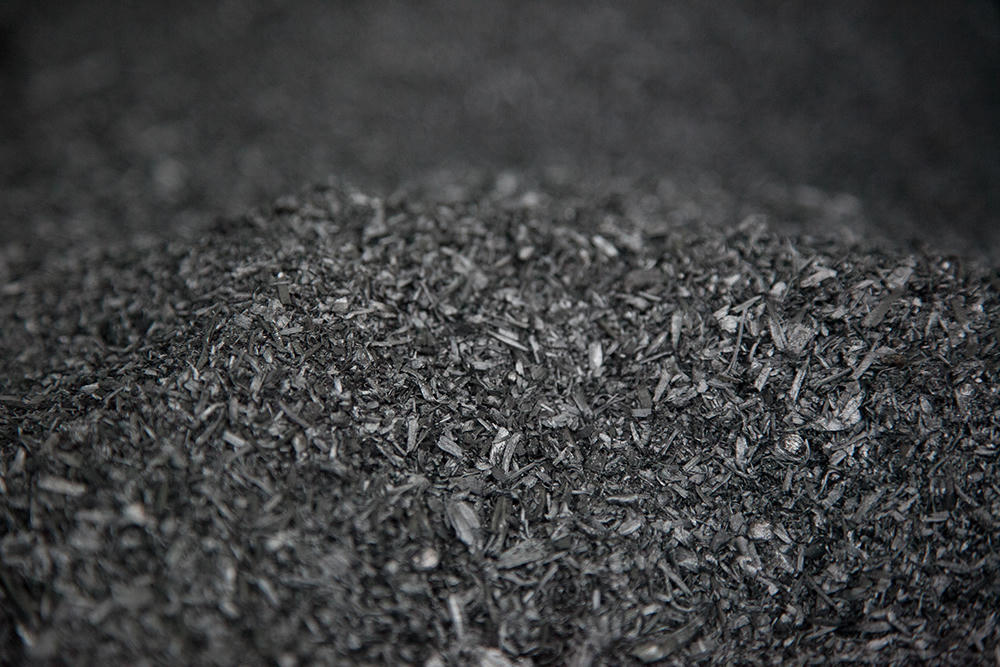
Close-up of biochar granules

Run a biochar plant?

Open to biochar facility operators in Canada and the United States.

Who qualifies

  • Operating or commissioning a pyrolysis or gasification plant in Canada or the US
  • Residual biomass feedstock (forestry, agricultural or wood-waste streams)
  • Char sold or applied to soil, compost or construction materials with chain of custody

What you get

  • Your plant registered as its own Puro Production Facility under the TCC account
  • Methodology, LCA, validation, dMRV, verification and issuance handled by TCC
  • 100% of physical char sales and the majority of net CORC proceeds
  • No enrollment fee

How to join

  1. 1Email us with your plant location, technology and annual char output
  2. 2Receive the eligibility and reporting pack within ten working days
  3. 3Sign the participation agreement and start reporting production

The link opens a pre-filled email with the questions we need answered. We reply within ten working days.

Alberta, Canada. International Carbon Registry.

Thousands of inactive and orphan wells across Alberta still leak methane. Methane traps far more heat than carbon dioxide — roughly 28 times more over a hundred years, and far more than that over the first twenty (IPCC AR6). Sealing a leaking well stops those emissions for good.

The credit comes from the difference between what the well was leaking before and after it was sealed, measured at the wellhead rather than assumed. That measurement is the whole file.

The programme sits in its own company. Every plugging firm that joins reports the same way. TCC designs the method, runs the monitoring system, arranges independent checks, and sells the credits.

Credits would be issued by the International Carbon Registry, an independent body. Their rules decide what is issued, not ours.

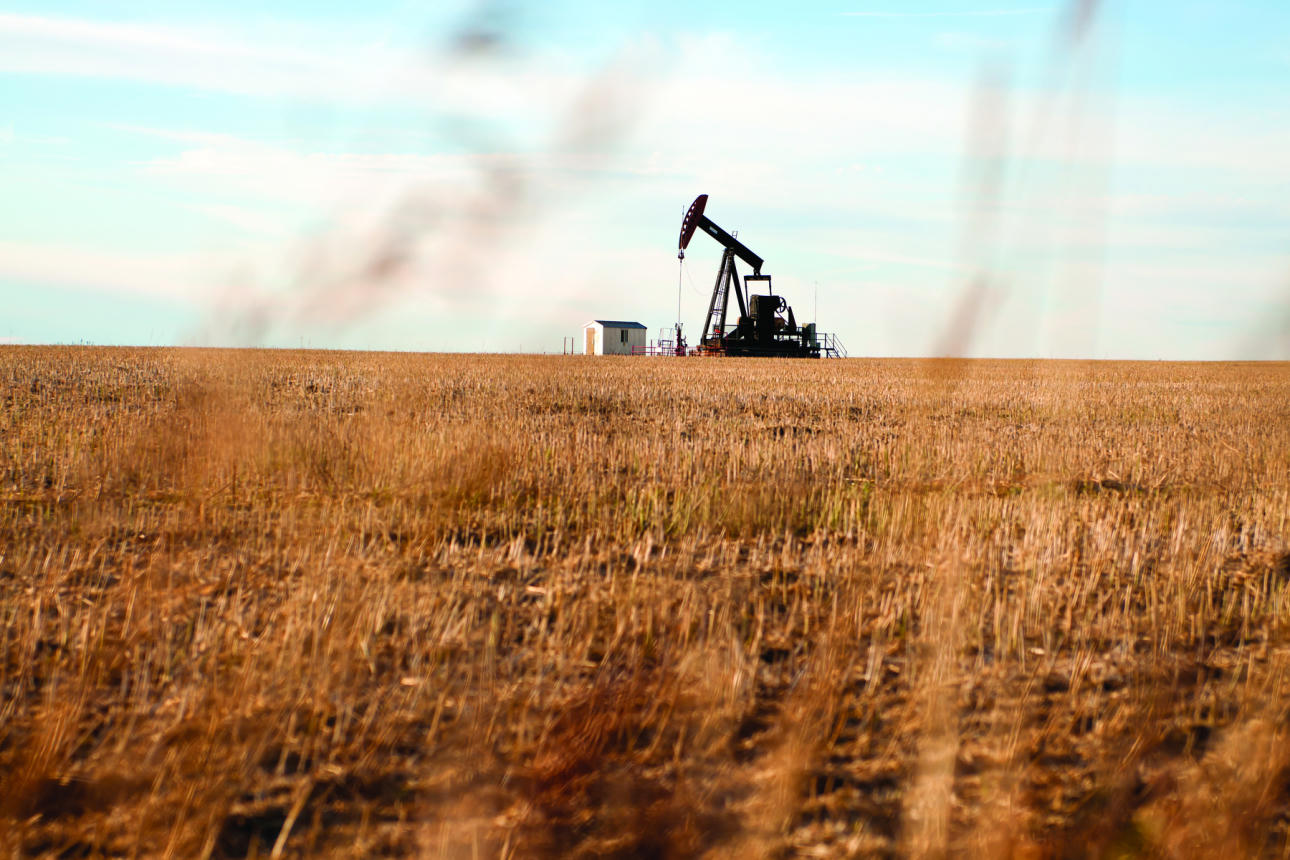
A pumpjack standing in a golden prairie field

Plug wells in Alberta?

Open to well-abandonment and plugging companies working in Alberta.

Who qualifies

  • Licensed to perform well abandonment or plugging in Alberta
  • Working on inactive, leaking or orphan wells (OWA, licensee or private programs)
  • Able to provide pre- and post-plugging gas measurements and AER records

What you get

  • A place in the dedicated program vehicle under one common rulebook
  • Methane baseline design, dMRV, validation, verification, issuance and sale handled by TCC
  • The majority of net carbon revenue for each well you plug
  • No enrollment fee

How to join

  1. 1Email us with your company, service area and wells plugged per year
  2. 2Receive the reporting standard and data checklist within ten working days
  3. 3Sign the participation agreement and report each completed plug

The link opens a pre-filled email with the questions we need answered. We reply within ten working days.

Canadian West Coast. International Carbon Registry.

Logs that escape from booms and tows end up waterlogged on the sea floor or rotting on the foreshore. Wood breaking down without oxygen releases methane, a far stronger greenhouse gas than carbon dioxide. Recovering the log before that happens avoids the emission and puts usable timber back into the economy.

Beachcombers already do this work under BC log-salvage rules. The only new task is recording how much you recover and where it goes, on a regular cycle.

One programme, one company, one reporting system for the whole coast. TCC handles the carbon side from start to finish; participants receive the majority of the carbon revenue each year, on top of what they already earn from the logs.

Credits would be issued by the International Carbon Registry, an independent body. Their rules decide what is issued, not ours.

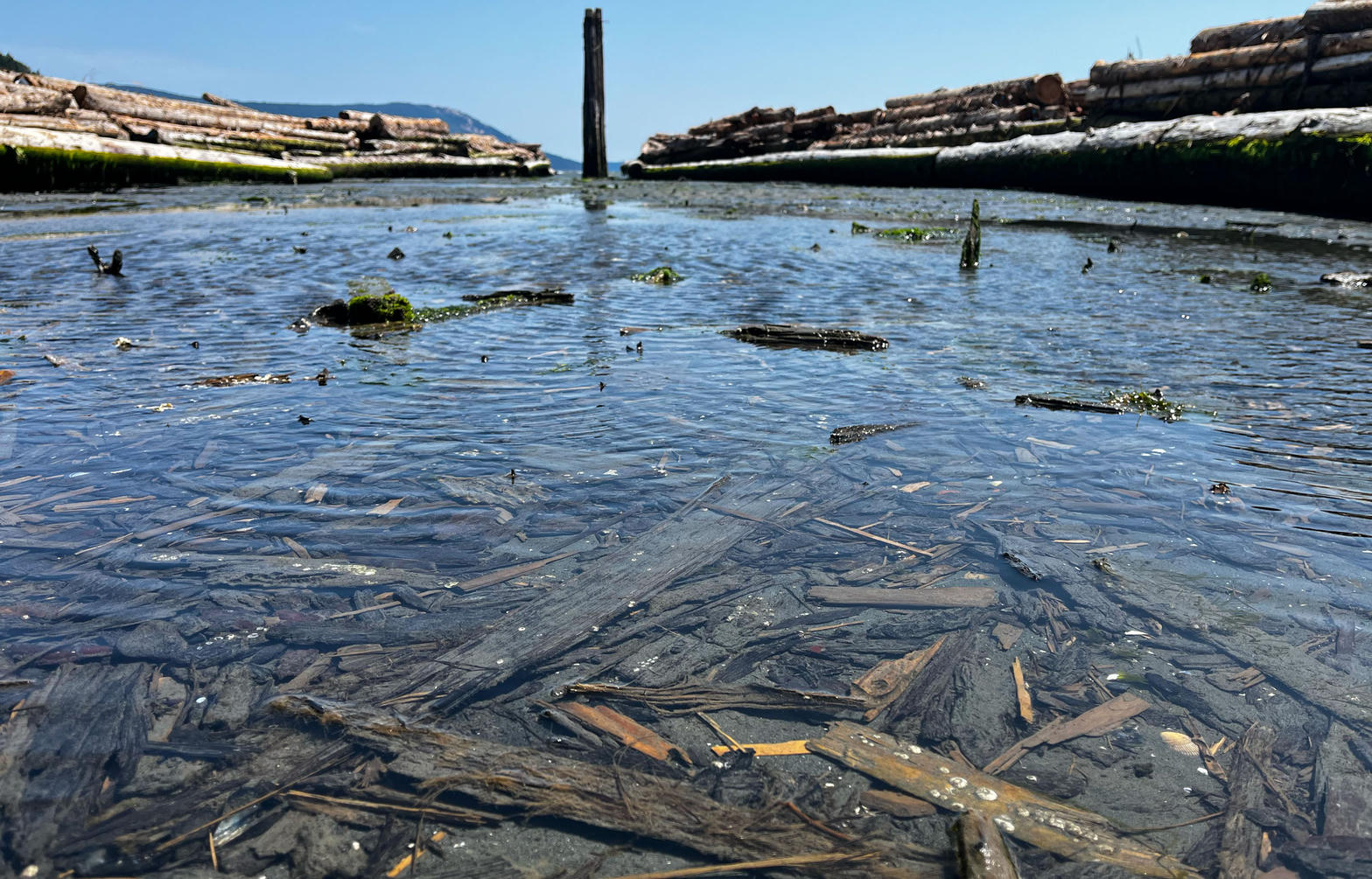
Recovered logs floating in shallow coastal water

Recover logs on the BC coast?

Open to beachcombers, log-salvage operators and First Nations recovering logs on the BC coast.

Who qualifies

  • Individuals, companies or Nations recovering escaped or beached logs on the BC coast
  • Holding a BC log-salvage licence or working under a recognised salvage arrangement
  • Able to report recovered volume (scale slips, sales receipts or photos) on a regular cycle

What you get

  • A place in the Marine Logs Program vehicle with one dMRV for the whole coast
  • Methodology, validation, verification, issuance and sale handled by TCC
  • The majority of carbon revenue each year, on top of your log sales
  • No enrollment fee

How to join

  1. 1Email us with where you work, your licence and roughly how much you recover a year
  2. 2Receive the simple reporting kit within ten working days
  3. 3Sign the participation agreement and start logging recovered volume

The link opens a pre-filled email with the questions we need answered. We reply within ten working days.

Not sure which programme fits?

Write to us describing what you do and where. If it belongs in one of the three, we will tell you which and send the eligibility pack. If it does not, we will say so plainly.

Puro.earth and ICR are independent standards. Marks identify the intended pathway. Program vehicles are separate legal entities. Modelled volumes are not issued volumes. Participation is subject to eligibility review and a signed participation agreement.