

You do the climate work. We turn it into carbon credits.
Transition Carbon Capital funds and runs the whole carbon process — the paperwork, the measurement, the independent audits and the sale — so operators can keep doing what they already do well. From West Vancouver, British Columbia, Canada.

First, the basics.
A carbon credit is a certificate for one tonne of greenhouse gas either kept out of the air or taken back out of it — measured, independently audited, and recorded in a public registry.
Something measurable happens
Charcoal is made from wood waste and put into soil. A leaking well is sealed. A drifting log is recovered before it sinks and rots. Each one keeps greenhouse gas out of the atmosphere.
An outside auditor checks it
Accredited, independent auditors review the plan before the work starts and the evidence afterwards. They do not work for us, and we cannot overrule them.
A registry issues the credits
An independent registry mints one serial-numbered credit per verified tonne. Buyers purchase them and cancel them permanently against their own emissions.
What we actually do.
Almost a decade of building these files. We are not a campaign, and we are not a shop selling offsets to the public.
We pay for the process
Getting a credit approved costs money. We cover it.
Writing the method, the independent audits, the registry fees, the monitoring software and the sales effort are all funded by us, and all done by the same team.
Free for operators
No fee to join, and the terms are public.
Operators pay nothing to take part. Everyone in a programme sees the same published share of credit sales — there is no private side deal.
Larger projects
Early funding for programmes already under way.
If you are developing a large programme of your own and need early-stage funding plus technical and commercial expertise, that is the other half of our work.
What we will not do
Treat an estimate as a credit.
A modelled tonne is a forecast. Only an independent registry can issue a credit. We do not blur the two, and we say so in writing.
57.7
Billion tonnes of greenhouse gas (57.7 GtCO2e) were emitted worldwide in 2024 — a record, and 2.3% more than the year before.
UNEP, Emissions Gap Report 2025
Rules, technology, public money — and a price.
All four matter. Only a market puts a price on a tonne that someone will actually pay for today, under contract.
80
Carbon taxes and emissions trading systems now operating around the world.
World Bank, State and Trends 2025
~28%
Share of the world's greenhouse gas emissions that carry a carbon price.
World Bank 2025
>$100bn
Raised by governments through carbon pricing in 2024.
World Bank 2025
$535m
Value of credits companies bought voluntarily in 2024.
Ecosystem Marketplace SOVCM 2025
LEARN MORE
Three programmes. Two registries.
Each one is open to operators already doing the work. Joining costs nothing, and conversations stay confidential.

Biochar
North America. Producers join one shared programme, so each plant avoids building its own carbon file.
See how to join ›
Puro Standard · Biochar 2025 v2
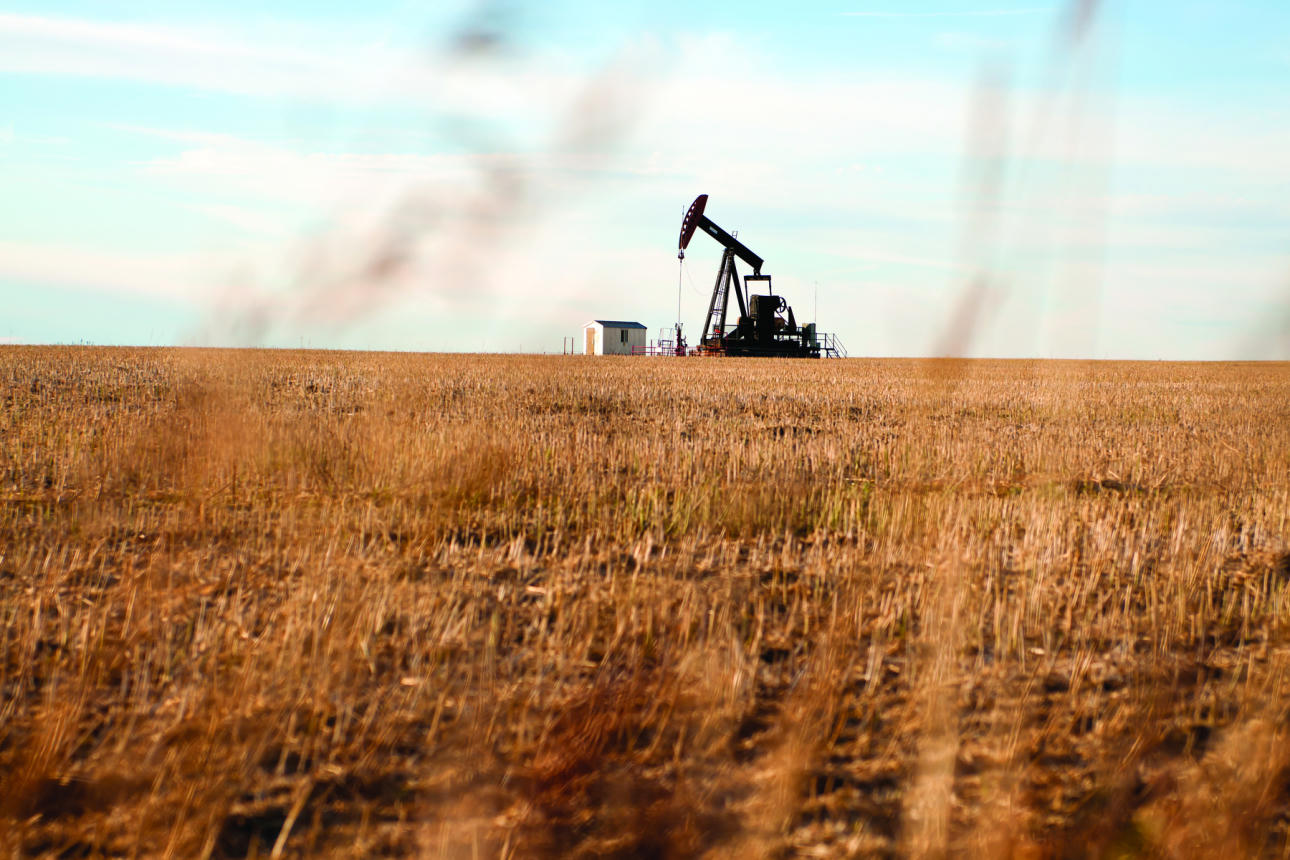
Oil-well plugging
Alberta. Plugging firms work to one shared rulebook, so each sealed well is measured the same way.
See how to join ›
International Carbon Registry
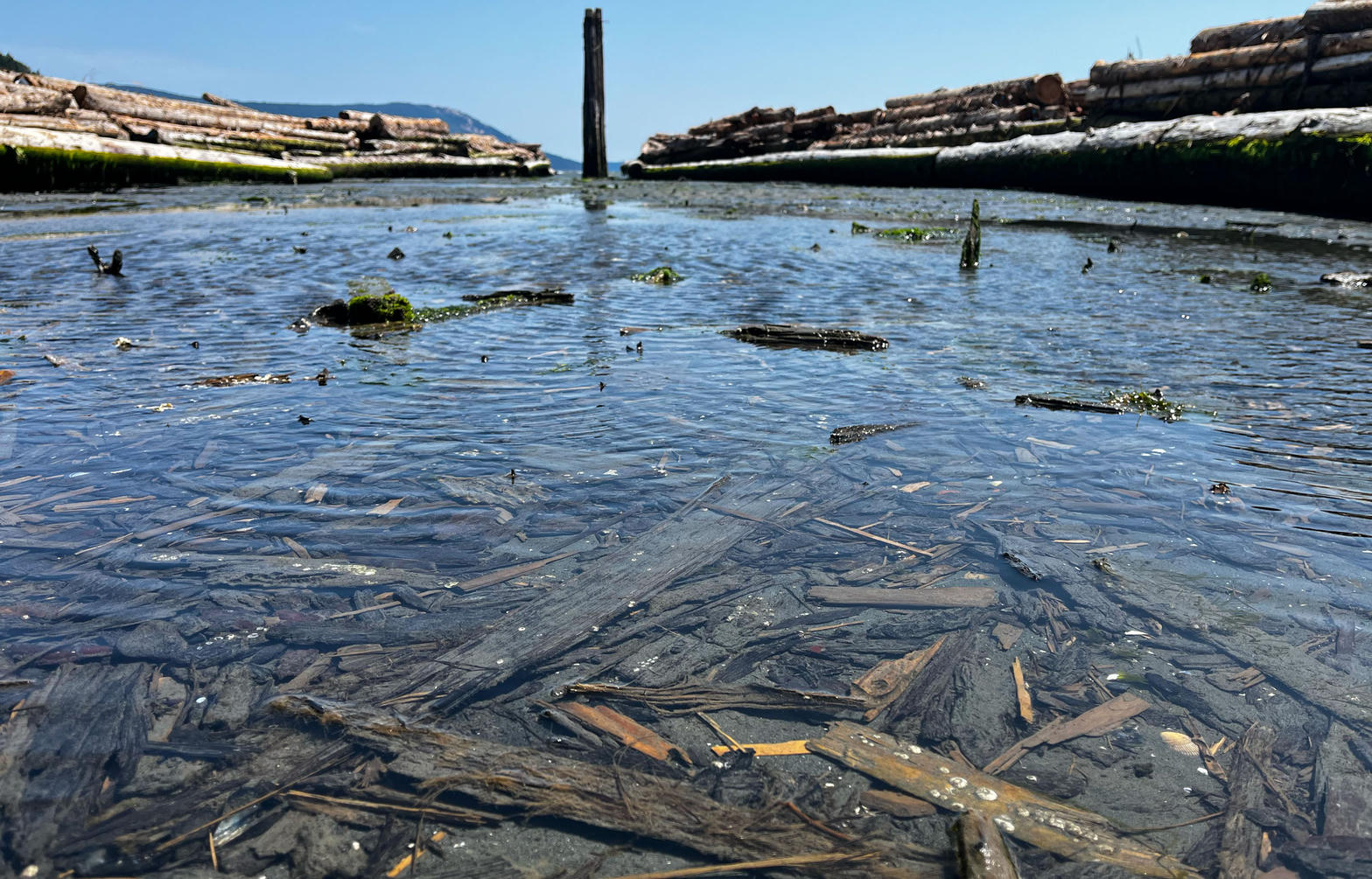
Marine log recovery
Canadian West Coast. Logs pulled out of the water before they sink and rot, reported on a simple cycle.
See how to join ›International Carbon Registry

Nothing to pay
Joining one of our programmes costs the operator nothing, at any stage.
Your only job is reporting
Keep doing the work and send us the numbers on a regular cycle. That is the whole obligation.
We run everything else
Method, audits, registration, issuance, marketing, sale of the credits and payment back to you.
One reporting system
Eligibility, sign-up, data and calculations all sit on one platform we built for these programmes.
One published rulebook
Everyone in a programme gets the same stated share of credit sales.
A separate company per programme
Credits and contracts are held in a dedicated entity, so it is clear who owns what.
Time is of the essence.
Join a programme, or bring us a project. Conversations stay confidential.